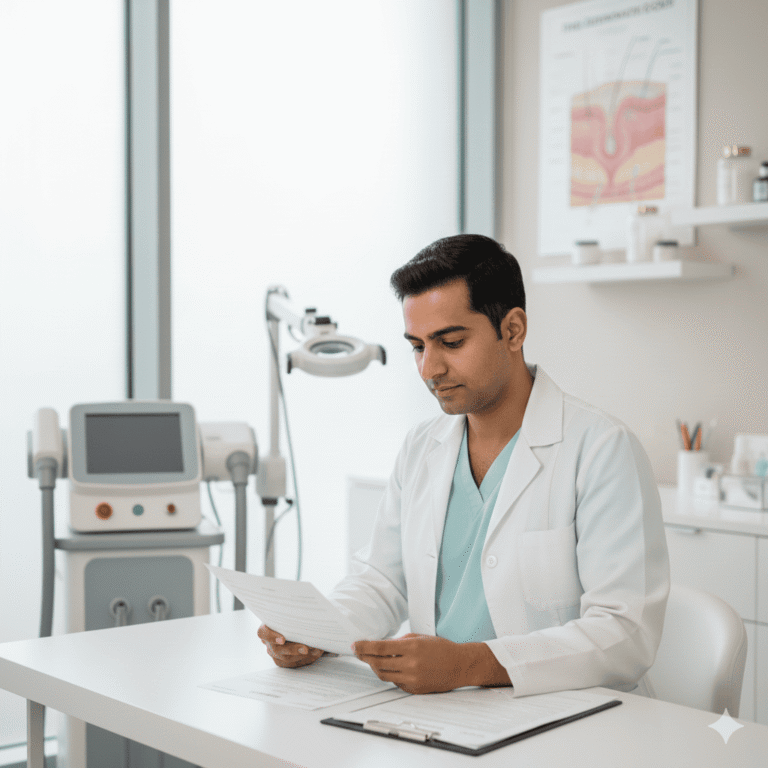

Basic Equipment Required for a Paediatric Clinic
When a paediatric clinic is planned, most doctors focus on two things first:
children-friendly interiors and a welcoming atmosphere.
Both are important.
But from real clinic setups I’ve seen and supported, one thing becomes very clear:
👉 Parents judge a paediatric clinic more by preparedness than decoration.
They may appreciate colorful walls, but they trust clinics that appear ready, safe, and organized.
This article focuses only on basic, essential equipment—not advanced hospital setups, not luxury items—just what a paediatric clinic genuinely needs to function confidently from day one.
Why Equipment Planning Matters in Paediatrics
Paediatric practice is different from adult care.
You deal with:
-
Infants and toddlers
-
Anxious parents
-
Rapidly changing clinical situations
The right equipment helps:
-
Speed up routine checks
-
Reduce stress for children
-
Build confidence among parents
-
Support safer clinical decisions
A well-equipped clinic doesn’t look “expensive”—it looks reliable.
1️⃣ Examination Table (Child-Appropriate)
A standard adult examination table is often uncomfortable and intimidating for children.
A basic paediatric clinic should have:
-
A stable, safe examination table
-
Rounded edges
-
Easy-to-clean surface
The goal is not size—it’s comfort and safety.
Parents notice how calmly their child sits during examination. The table plays a bigger role than most doctors expect.
2️⃣ Weighing Scale (Infant & Child)
Accurate weight measurement is critical in paediatrics.
You will typically need:
-
Infant weighing scale (for babies)
-
Digital child weighing scale
Dosage calculations, growth tracking, and follow-ups all depend on accurate weight records.
This is one of the most frequently used tools in a paediatric clinic.
3️⃣ Height / Length Measurement Tools
Growth monitoring is central to paediatric care.
Basic requirements include:
-
Infant length board or mat
-
Wall-mounted height chart or stadiometer for older children
Parents often ask growth-related questions. Having proper measurement tools reinforces confidence in your assessment.
4️⃣ Paediatric Stethoscope
A paediatric stethoscope is not optional.
Compared to adult stethoscopes, it offers:
-
Smaller chest piece
-
Better sound clarity for children
-
Comfortable examination experience
Using adult instruments on children may appear careless to parents, even if clinically acceptable.
5️⃣ Digital Thermometer
Temperature assessment is one of the most common reasons parents visit paediatric clinics.
A good-quality digital thermometer ensures:
-
Fast readings
-
Reduced discomfort
-
Accurate fever monitoring
Contactless or ear thermometers are useful, but even a standard digital thermometer must be reliable and hygienic.
6️⃣ Blood Pressure Apparatus (Paediatric Cuffs)
Blood pressure measurement in children requires:
-
Appropriately sized cuffs
-
Accurate digital or manual BP apparatus
Using adult cuffs can give misleading readings. Parents may not notice, but medical accuracy demands correct sizing.
7️⃣ Pulse Oximeter (Child-Friendly)
A pulse oximeter is now considered a basic requirement in paediatric practice.
It helps assess:
-
Oxygen saturation
-
Heart rate
Especially useful during respiratory complaints, it provides quick reassurance to both doctor and parent.
Child-friendly designs help reduce fear and resistance.
8️⃣ Nebulizer Machine
Respiratory complaints are common in paediatric clinics.
A basic nebulizer setup allows:
-
Immediate symptom relief
-
On-site treatment for wheezing or asthma
-
Reduced emergency referrals
Even clinics that don’t provide advanced care usually keep a nebulizer ready for routine management.
9️⃣ Basic Emergency Tray
Every paediatric clinic should have a basic emergency tray.
This typically includes:
-
Essential medications
-
Syringes and disposables
-
Airway support basics
Emergencies are rare—but preparedness defines professionalism.
Parents sense confidence when a clinic is visibly prepared.
🔟 Vaccine Storage Equipment (If Immunization Is Offered)
If the clinic provides vaccinations, cold-chain maintenance is critical.
Basic requirements include:
-
Medical-grade refrigerator
-
Temperature monitoring system
Improper storage can compromise vaccine safety, so this equipment must be reliable and well-maintained.
1️⃣1️⃣ Hand Hygiene & Infection Control Supplies
Infection control is closely observed by parents.
Basic supplies include:
-
Hand sanitizers
-
Disposable gloves
-
Waste disposal bins
Simple practices strongly influence parent trust, especially after global health events in recent years.
What Parents Notice (Even If They Don’t Say It)
From experience, parents subconsciously observe:
-
Cleanliness of equipment
-
Calm handling of tools
-
Age-appropriate instruments
They may not understand the medical details, but they understand preparedness and care.
What New Paediatricians Often Overlook
Common mistakes I’ve seen:
-
Buying advanced equipment too early
-
Ignoring basic measurement tools
-
Prioritizing decor over usability
A successful paediatric clinic grows step by step. Basics come first.
Professional Advice for New Paediatric Clinics
-
Start with essentials, not excess
-
Choose equipment designed for children
-
Prioritize accuracy, safety, and comfort
-
Upgrade gradually as patient volume grows
A well-planned clinic feels calm—for the doctor, the child, and the parent.
Closing Thought
A paediatric clinic does not need to look complex.
It needs to look prepared.
The right basic equipment allows you to practice confidently, reassure parents, and deliver consistent care.
Everything else—branding, interiors, expansion—comes later.